First impressions matter in business, and the exterior of your commercial property is often the first thing clients and customers see. Professional rendering can freshen a tired facade and protect the walls behind it. Just as important, a commercial job has to be planned around people who are still working, trading and visiting the building. This guide covers the kinds of properties we work on and what goes into planning a commercial rendering project.
Property Types and What Each Needs
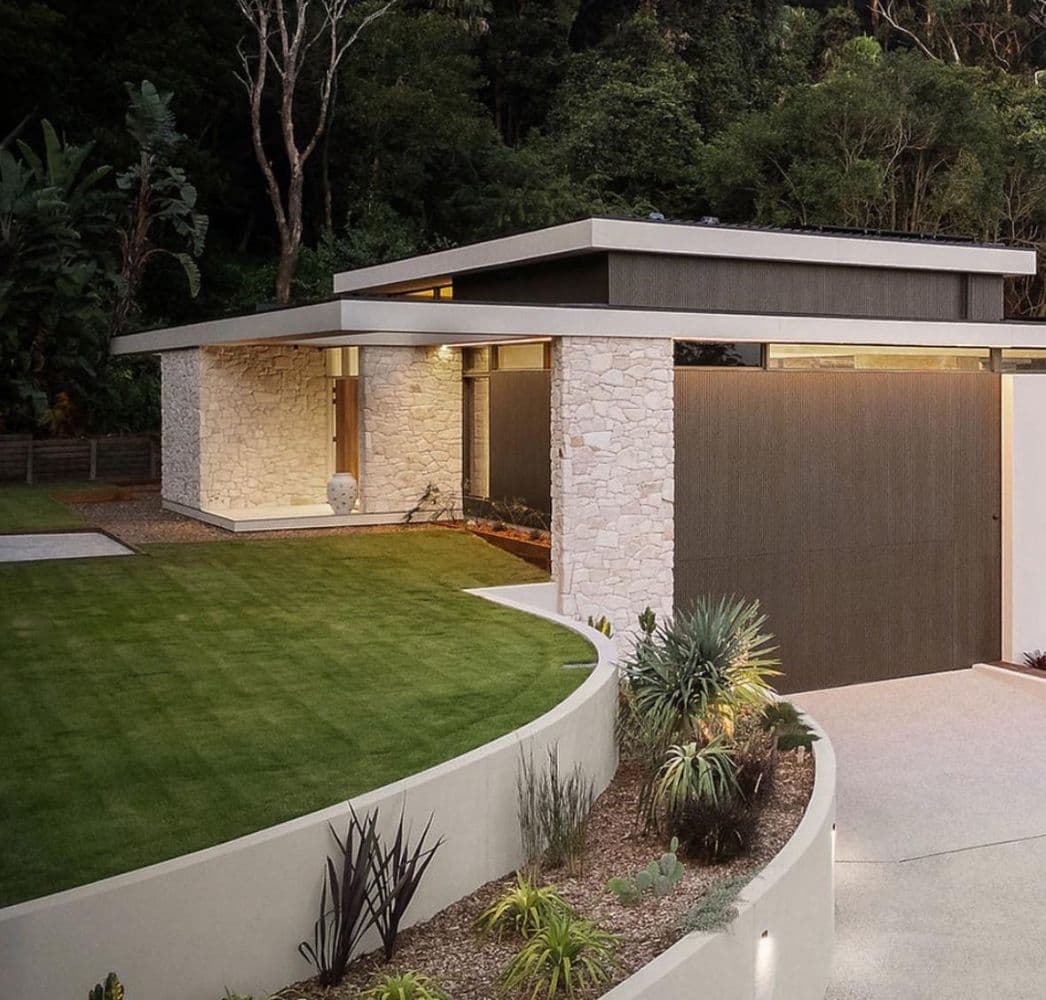
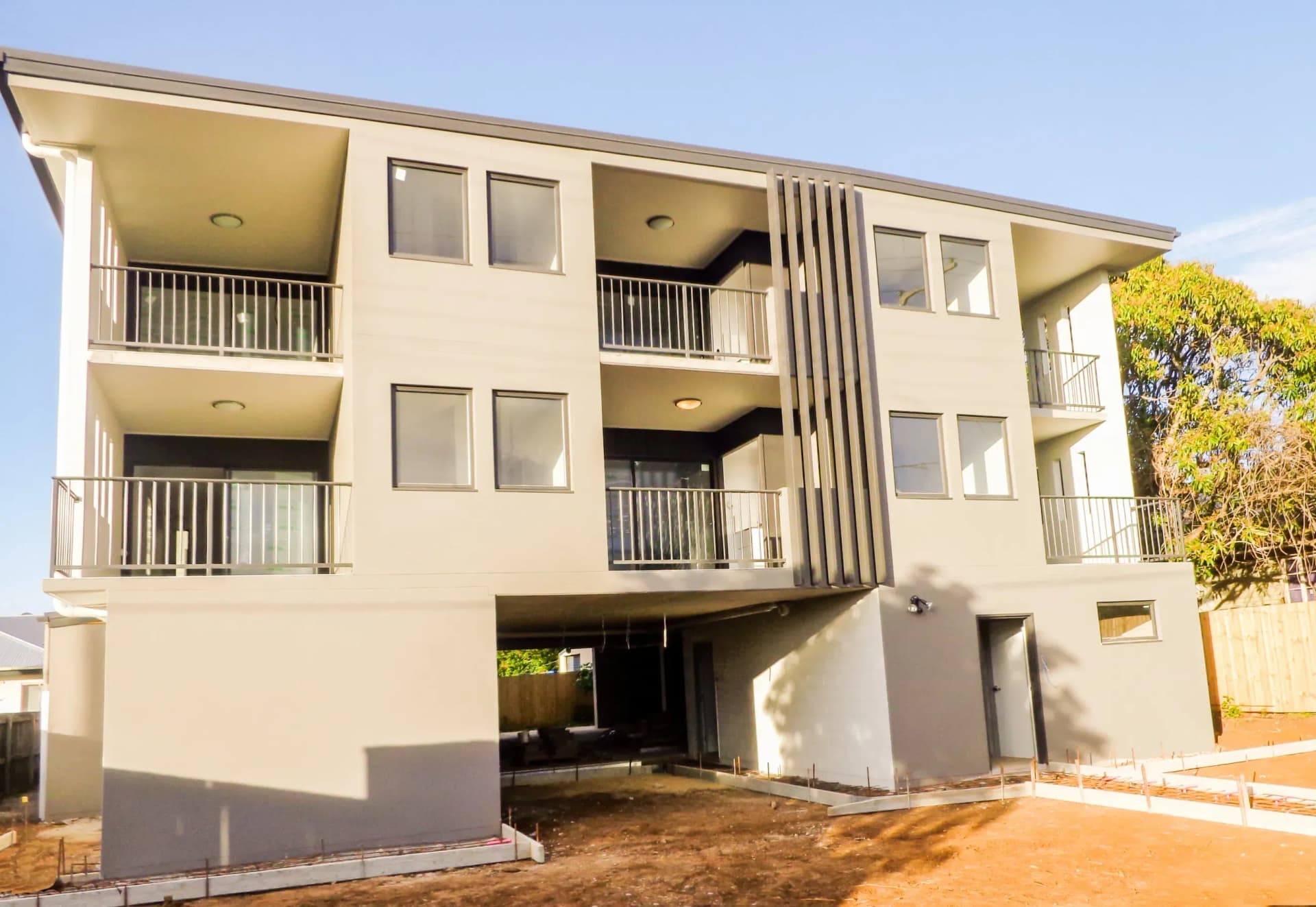
Popular commercial applications include retail storefronts, office buildings, hotels, restaurants, multi-unit developments and industrial facilities. Each type of property has unique requirements and aesthetic considerations.
Retail and hospitality venues care most about presentation and trading hours: the frontage is part of the brand, and customers need to keep getting through the door. Office buildings and multi-unit developments involve many occupants or owners, so communication and approvals matter as much as the render itself. Industrial properties tend to have large wall areas, where durability and practicality come first.
Choosing a Rendering System
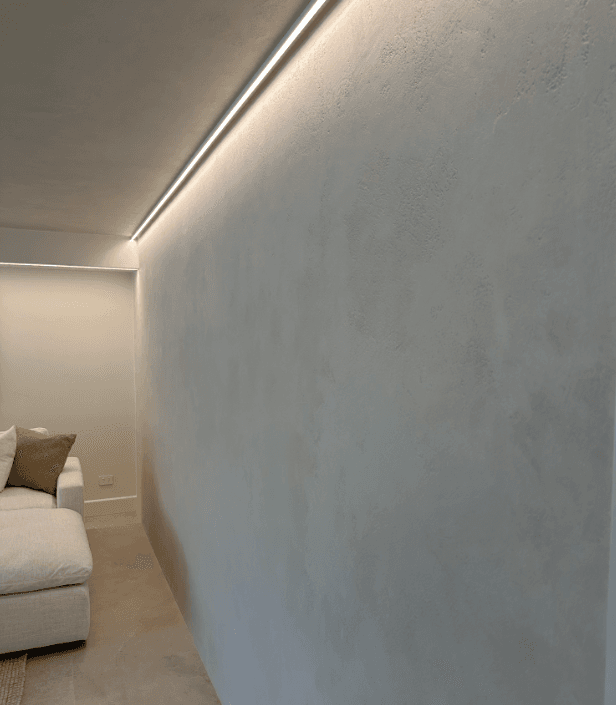
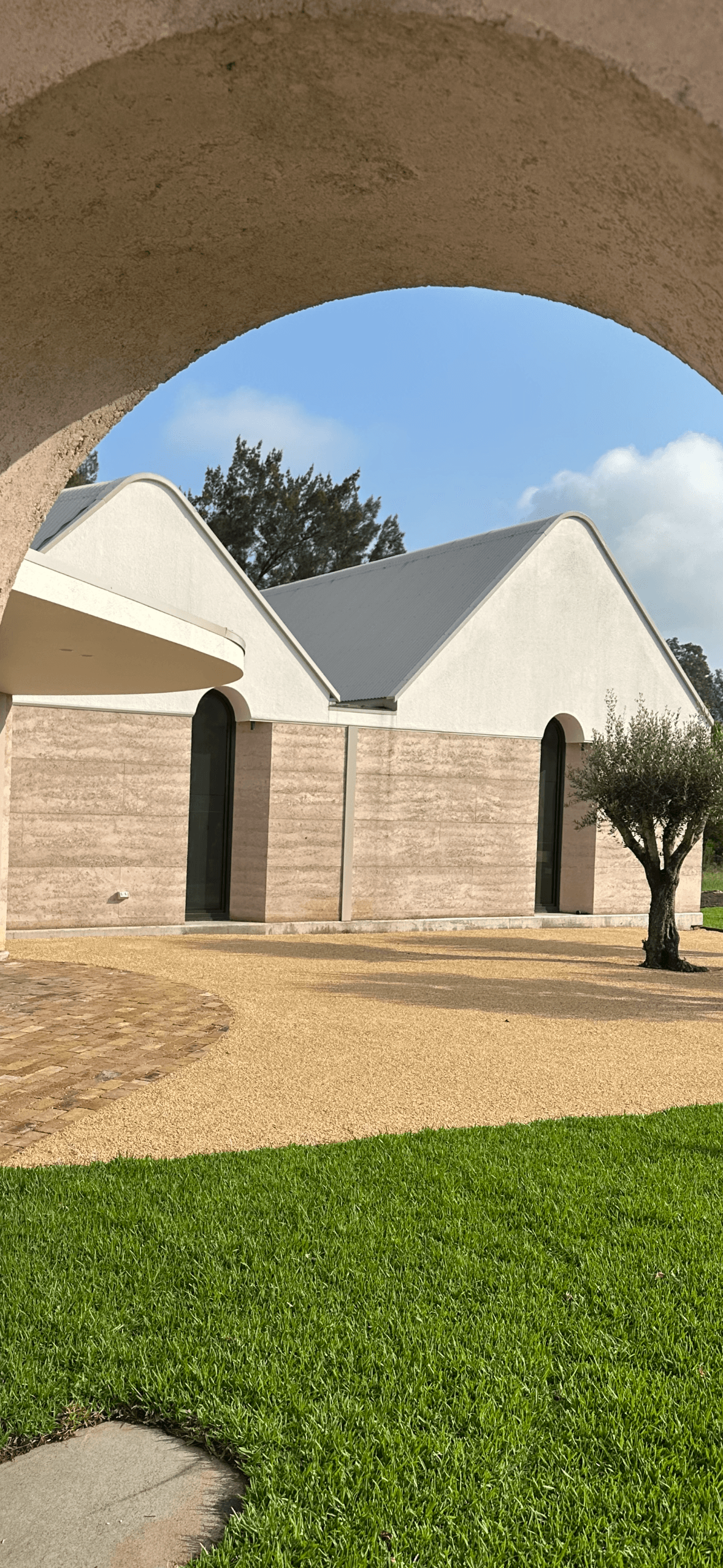
We offer a range of commercial rendering solutions including acrylic render, cement render, and texture coatings, and can also work with lime-based systems depending on the project. Our team can advise on the right option based on your budget, timeline, and desired outcome.
Think about what the finish needs after it is installed, too. Cement render is typically painted, so repainting is part of its future, while pre-coloured acrylic render does not rely on paint. If your brand has specific colours or textures, say so early. Colours, textures and finish styles can be matched to your branding or the architectural design, and it is easier to specify them at the start than to adjust once work is underway.
Rendering also does a protective job. A sound render system helps shield the walls behind it from weather, which matters for buildings that face sun, rain and, near the coast, salt air.
Access, Staging and Programme
Access is usually the first planning question. Higher facades need scaffolding or other access equipment, and that equipment has to fit around footpaths, driveways, loading areas, car parks and entrances. Where the site allows, working in sections lets the rest of the building keep operating.
Safety around the public is part of the same conversation. Work areas need to be clearly separated from pedestrians and vehicles, and the access plan should keep main entrances and emergency exits clear.
Programme and sequence come next. Render is a wet trade, so the schedule has to allow for drying and for weather, and the work is sequenced elevation by elevation so that the people using the building are affected as little as possible. Deliveries, waste removal and materials storage all need a sensible location agreed up front. We provide a clear project schedule at the quoting stage, so property managers can see the sequence before work starts.
Working Around Tenants and Trading Hours
Commercial rendering projects require careful planning and execution to minimise disruption to business operations. We work closely with property managers to schedule work during off-peak hours when possible.
In practice that means agreeing working hours, warning tenants ahead of noisy or dusty stages, and protecting windows, doors, signage and landscaping before any render goes on. Tenants and owners are generally far more relaxed about a project when they know what is happening each week and who to speak to.
Preparing to Request a Quote
You can speed up quoting by gathering a few details: the address and number of storeys, the existing wall material and finish, any known cracking or damp, the access and trading constraints, whether you have brand colours, and any approvals needed from an owners corporation or landlord. Photos of each elevation help a lot.
From there we inspect the site, confirm the scope and provide a quote and a schedule. We have worked on projects ranging from small business facades to large commercial and multi-unit developments, and the same planning questions apply at every scale.
Frequently Asked Questions
Can you work around our trading hours?
We schedule work during off-peak hours where possible and plan the sequence with your property manager to minimise disruption. Tell us your trading hours and any busy periods when you ask for a quote.
Can you match our brand colours or textures?
Yes. We can apply specific textures, colours or finish styles to align with your branding or architectural design.
Which render is right for a commercial building?
It depends on the building, budget, timeline and look you want. Cement render is strong and durable, acrylic render offers flexibility and colour retention, and texture coatings can refresh an existing facade. We recommend one after seeing the property.
How long will a commercial project take?
That depends on the size and scope of the job. We provide a clear project schedule during quoting, so you know the sequence before work starts.