Venetian plaster has adorned the walls of palaces, villas, and prestigious buildings for centuries. Today, this timeless finish continues to captivate interior designers and homeowners alike. Here are the key benefits that make Venetian plaster a worthwhile investment for Australian homes.
## Unmatched Aesthetic Appeal
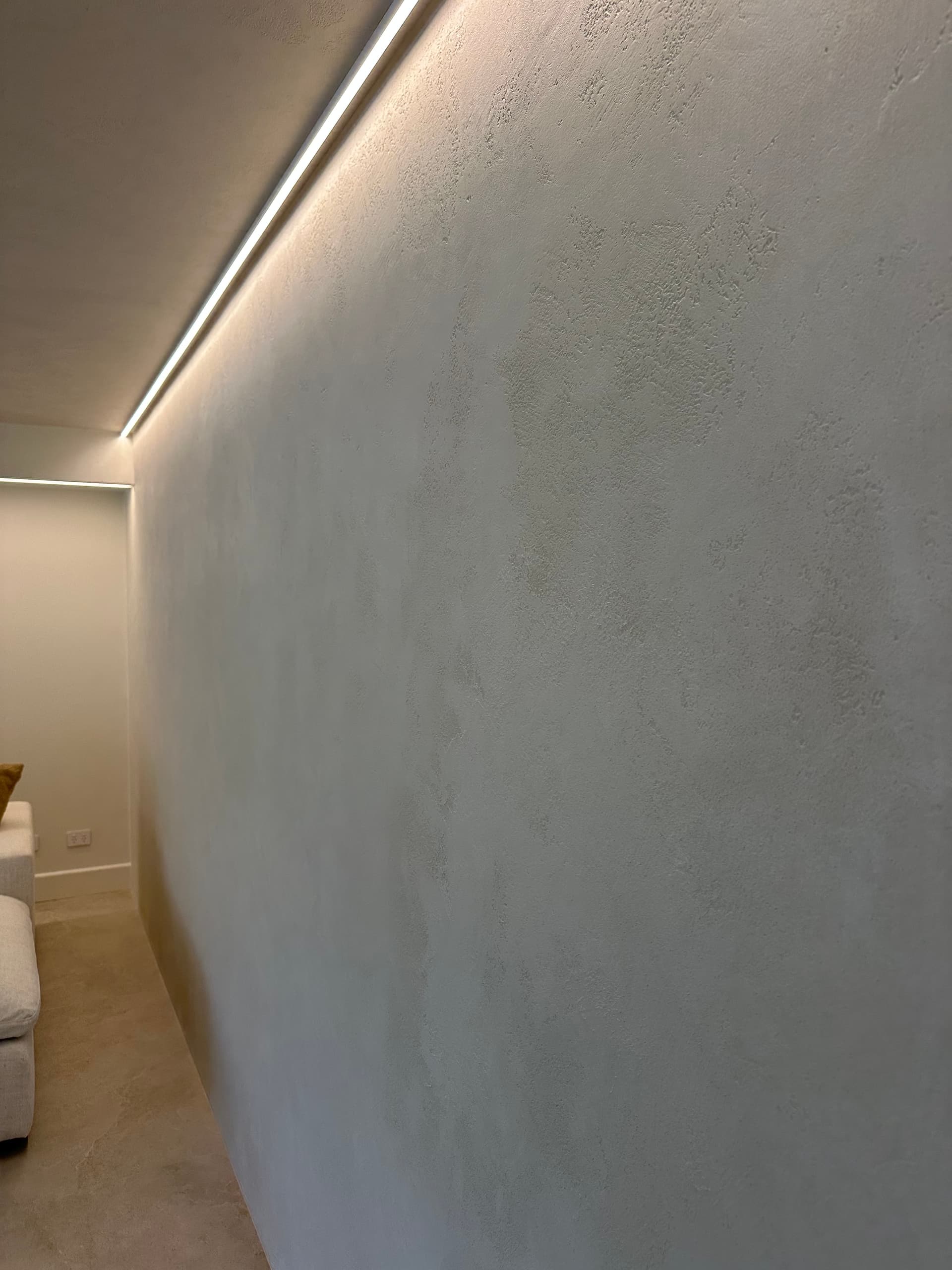
The depth and luminosity of Venetian plaster simply cannot be replicated by paint or wallpaper. Multiple translucent layers create a three-dimensional effect that changes with the light throughout the day, bringing walls to life. In a north-facing Sydney living room, Venetian plaster catches the afternoon light beautifully, creating warm, shifting tones that make the space feel alive.
What makes Venetian plaster unique is that each application is genuinely one-of-a-kind. The artisan's hand movement, pressure, and layering technique create subtle variations in depth, sheen, and colour. Two walls finished with the same material will never look identical - and that's precisely the appeal.
## Natural and Breathable
Traditional Venetian plaster is made from slaked lime (calcium hydroxide) and marble dust, making it a natural, breathable material. This allows moisture vapour to pass through the wall rather than being trapped, which helps regulate indoor humidity and prevents mould growth.
This breathability is particularly valuable in Australian bathrooms and coastal homes where humidity can be a challenge. Unlike acrylic-based paints that create a moisture barrier, lime plaster actively manages moisture - absorbing excess humidity and releasing it when conditions dry out. The result is healthier indoor air and walls that stay dry and mould-free.
## Exceptional Durability
Despite its delicate appearance, properly applied Venetian plaster is remarkably hard-wearing. The lime in the plaster undergoes a process called carbonation - it slowly absorbs carbon dioxide from the air and converts back to limestone. This means your walls literally get harder over time, unlike paint which degrades with age.
A professionally applied Venetian plaster finish can last 20-40 years with minimal maintenance. Minor scuffs and marks can often be repaired without redoing an entire wall, making it far more practical than it might appear. The finish is resistant to cracking and doesn't peel or flake like paint.
## Hypoallergenic and Healthy
The alkaline nature of lime-based Venetian plaster creates an environment that's naturally resistant to mould, mildew, and bacteria. With a pH around 12-13 when fresh (settling to around 9-10 over time), it's inhospitable to microbial growth. This makes it an excellent choice for those with allergies or respiratory sensitivities.
Unlike many modern paints, traditional Venetian plaster contains no volatile organic compounds (VOCs). There's no off-gassing after application, meaning rooms can be occupied sooner and the long-term air quality is superior. For families with young children or anyone sensitive to chemical odours, this is a significant advantage.
## Sustainability Credentials
Made from natural materials and requiring no synthetic coatings, Venetian plaster is an environmentally friendly choice. Lime production has a lower carbon footprint than cement manufacturing, and the carbonation process actually absorbs CO2 from the atmosphere over the life of the finish - partially offsetting the emissions from production.
The longevity of Venetian plaster also contributes to sustainability. While a painted wall might need repainting every 5-7 years, Venetian plaster lasts decades. Less material use, less waste, and fewer maintenance cycles make it one of the most sustainable wall finish options available.
## Versatility in Design
From sleek, polished finishes that mimic marble to rustic, textured effects that add character, Venetian plaster can be customised to suit any interior style. The colour possibilities are virtually endless - pigments are mixed directly into the plaster, creating depth of colour that surface-applied paint cannot achieve.
Common Venetian plaster styles include marmorino (smooth, marble-like), stucco lustro (high-gloss polished), and tonachino (fine-textured matte). Each creates a distinctly different atmosphere. Marmorino suits modern minimalist spaces, stucco lustro adds drama to formal rooms, and tonachino brings warmth to Mediterranean or coastal interiors.
## Where to Use Venetian Plaster in Your Home
The most popular applications in Australian homes include feature walls in living rooms, master bedroom accent walls, entryways and hallways, bathroom walls (with appropriate sealing), and fireplace surrounds. It's particularly effective in spaces with good natural light, where the finish's reflective qualities create a dynamic, ever-changing surface.
In NSW homes, we frequently apply Venetian plaster in open-plan living areas where a single feature wall can define a dining or lounge zone without physical barriers. The finish adds luxury without the heaviness of stone or marble, keeping spaces feeling light and contemporary.
## Increased Property Value
As a premium finish associated with luxury interiors, Venetian plaster can add significant value to your property. Real estate agents consistently note that quality interior finishes influence buyer perception and can justify higher asking prices. It's a feature that discerning buyers recognise and appreciate - especially in Sydney's competitive property market.
## Frequently Asked Questions About Venetian Plaster
How much does Venetian plaster cost compared to paint? Venetian plaster typically costs $120-$250 per square metre installed, compared to $15-$30 per square metre for quality paint. However, when you factor in the 20-40 year lifespan versus repainting every 5-7 years, the lifetime cost is comparable - and the aesthetic is incomparably superior.
Can Venetian plaster be used in bathrooms? Yes, with appropriate sealing. We apply a breathable wax or specialised sealer over bathroom Venetian plaster that provides water resistance while maintaining the natural beauty of the finish. It's a stunning alternative to tiles in both full bathrooms and powder rooms.
Is Venetian plaster hard to repair if damaged? Minor marks and scuffs can often be repaired by an experienced plasterer without redoing the entire wall. The repaired area is blended into the surrounding finish so seamlessly that it's virtually invisible. This repairability is one of the major practical advantages over wallpaper or specialty paints.
Does Venetian plaster work on all wall types? Venetian plaster can be applied to most wall surfaces including plasterboard, cement render, and existing plaster. The key requirement is a smooth, stable substrate. We prepare and prime surfaces as needed to ensure the best possible result.
At FineTex Finishes, our artisans are trained in authentic Venetian plaster techniques, using premium Italian materials to deliver exceptional results. Contact us to explore how Venetian plaster can elevate your interior spaces.