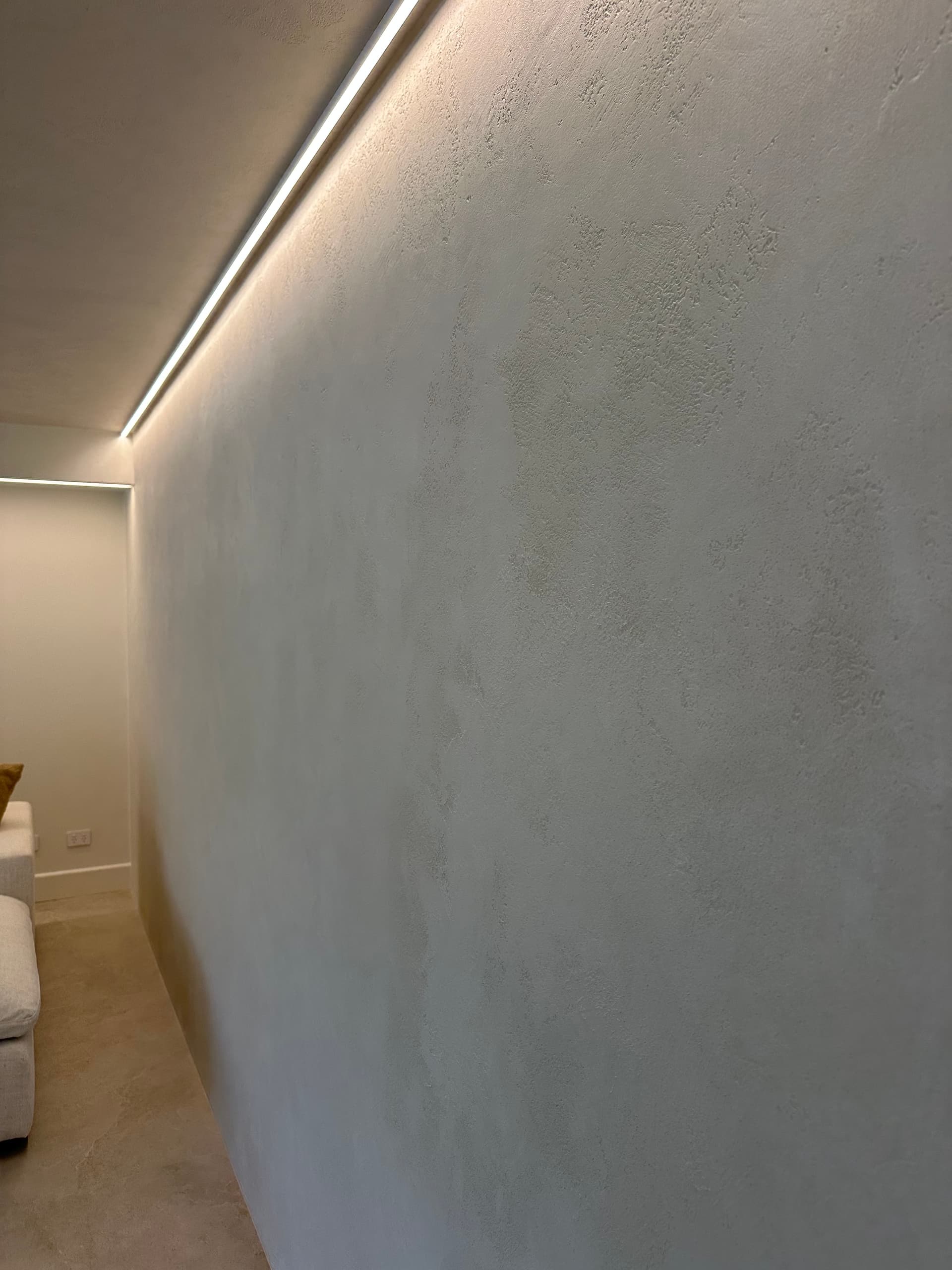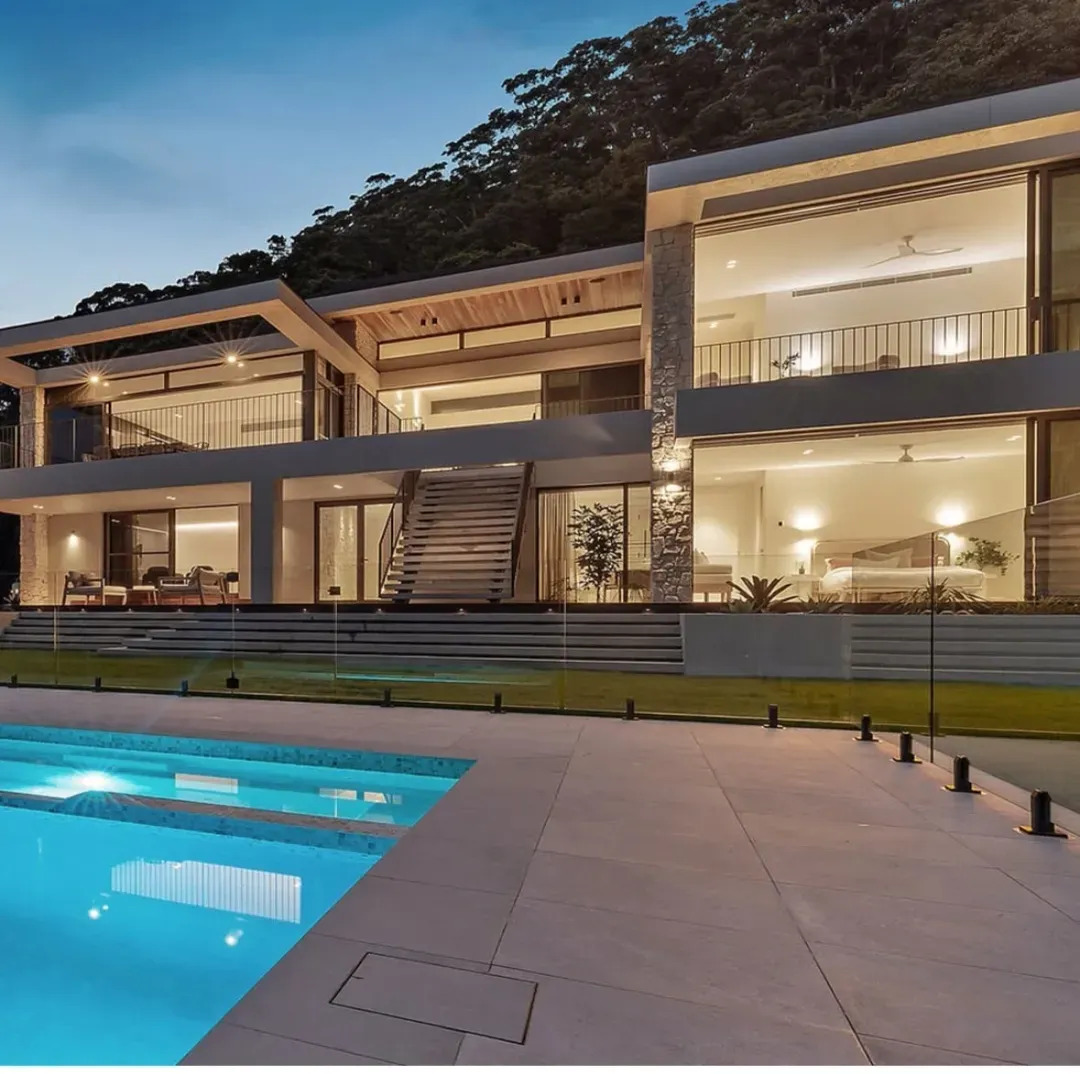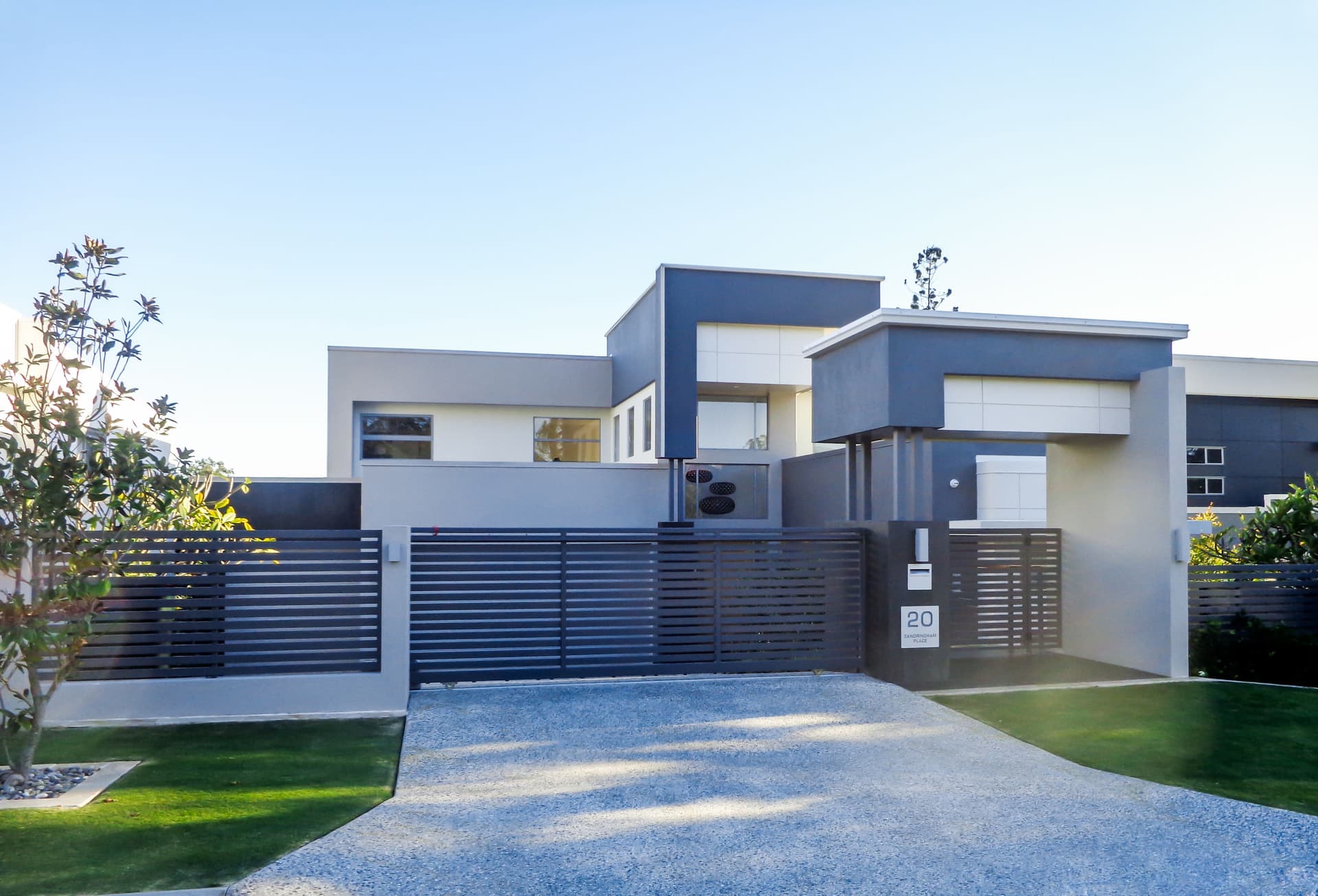
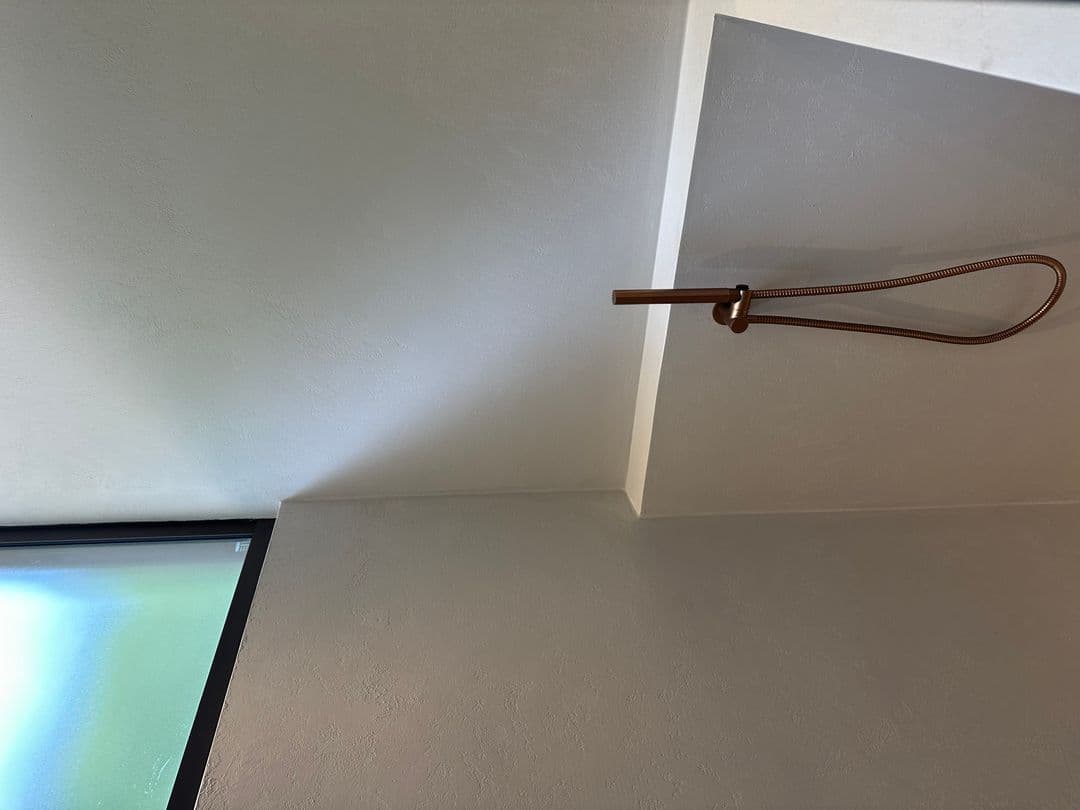
Microcement and polished concrete both deliver that sought-after seamless, contemporary look, but they are fundamentally different products suited to different situations. Microcement is a thin polymer-modified coating applied over existing surfaces at just 2-3mm thick, while polished concrete involves mechanically grinding and polishing a structural concrete slab that is typically 100mm or more. The right choice depends on whether you are renovating or building new, your budget, and the surfaces you need to cover.
Key Differences at a Glance
| Feature | Microcement | Polished Concrete |
|---|---|---|
| Thickness | 2-3 mm | 100 mm+ (structural slab) |
| Application method | Hand-applied coating over existing surfaces | Mechanical grinding and polishing of a concrete slab |
| Suitable surfaces | Tiles, timber, concrete, plasterboard, benchtops | Existing or new concrete slabs only |
| Cost range (AUD/sqm) | $200 - $400 installed | $50 - $120 (new slab) / $80 - $200 (existing slab) |
| Durability | 15-20 years with resealing | 20-40 years with minimal maintenance |
| Waterproof | Yes, when properly sealed | No, requires additional sealing for wet areas |
| Customisation | Wide colour range, matte to satin finishes | Limited to natural concrete tones, can be stained |
| Installation time | 3-5 days per room | 2-5 days (grinding, polishing, sealing) |
| DIY-friendly | No, requires trained applicator | No, requires specialist equipment |
| Best for | Renovations, bathrooms, walls, benchtops | New builds, large open-plan floors, commercial |
What is Microcement?
Microcement (sometimes called micro-topping or micro-screed) is a decorative coating made from a blend of cement, fine aggregates, polymers, and pigments. It is applied by hand in multiple thin layers, typically totalling 2-3mm in thickness, over almost any structurally sound surface. The result is a seamless, joint-free finish that can cover floors, walls, benchtops, splashbacks, and even shower enclosures.
The application process starts with priming the existing surface, followed by a fibreglass mesh layer for crack resistance, then two or three coats of microcement, and finally a protective sealer. Each layer is sanded between coats to achieve a smooth, even surface. The entire process typically takes 3-5 days per room, with minimal disruption compared to a full demolition and retile.
Microcement has become especially popular for renovations because it can be applied directly over existing tiles, timber, or concrete without the need to strip the old surface. This saves considerable time, cost, and waste. It is also one of the few finishes that works equally well on vertical surfaces such as walls and splashbacks, making it a versatile choice for creating a cohesive look throughout a space.
What is Polished Concrete?
Polished concrete is achieved by mechanically grinding a concrete slab with progressively finer diamond-impregnated pads until the surface reaches the desired level of sheen. The process can range from a matte "honed" finish to a high-gloss mirror polish, depending on how many grinding stages are completed. A chemical densifier is applied during the process to harden the surface, and a penetrating sealer provides stain resistance.
For new builds, polished concrete is often the most cost-effective flooring choice because the structural slab doubles as the finished floor. There is no need for additional flooring material, adhesive, or underlayment. The slab is simply poured, cured, and then ground and polished in situ. This makes it particularly attractive for large open-plan homes, warehouses, retail spaces, and commercial fit-outs.
On existing slabs, the process is more involved. The concrete needs to be in reasonable condition, as deep cracks, patches, or uneven joints will show through the polished finish. Repairs can be made, but they affect the final appearance. Existing coatings, adhesive residue, or paint must also be ground off before polishing can begin, which adds to the cost and timeline.
Cost Comparison in Australia
Cost is often the deciding factor, and the two products sit in quite different price brackets. Microcement typically costs between $200 and $400 per square metre installed, depending on the complexity of the area, the number of coats required, and the chosen finish. Walls and benchtops tend to sit at the higher end of that range due to the precision involved in vertical and edge work.
Polished concrete is considerably cheaper per square metre when applied to a new slab, generally ranging from $50 to $120 per square metre. For existing slabs that require repair, levelling, or removal of old coatings, the cost rises to $80-$200 per square metre. On very large floor areas (100sqm+), polished concrete becomes progressively more economical because the grinding equipment covers ground quickly and setup costs are spread over a larger area.
It is worth noting that polished concrete pricing only applies to floors, since the technique cannot be used on walls, benchtops, or other surfaces. If you want a matching look on walls and floors, microcement is the only option that can deliver a seamless finish across both.
Which is Better for Bathrooms?
For bathroom applications, microcement is the clear winner. When properly sealed, microcement is fully waterproof and can be applied to shower walls, shower floors, vanity tops, and bath surrounds. The seamless finish eliminates grout lines entirely, which means no grout to discolour, crack, or harbour mould. In wet areas, that is a significant practical advantage as well as an aesthetic one.
Microcement can be applied directly over existing bathroom tiles, which means a full bathroom renovation can be completed without demolition. There is no need to rip out tiles, repair the waterproof membrane, or dispose of heavy waste. The existing waterproofing remains intact beneath the microcement, and the new surface is sealed on top. This approach is faster, quieter, and generates far less waste than a traditional bathroom renovation.
Polished concrete is generally not suitable for bathrooms. A structural concrete slab on a bathroom floor can be polished, but the surface is not inherently waterproof and requires careful sealing that may not meet Australian waterproofing standards for wet areas. Polished concrete also cannot be applied to walls, limiting its usefulness in a bathroom context. If you want a cohesive, seamless look across your bathroom floor, walls, and shower recess, microcement is the only realistic option.
Which is Better for Floors?
The answer depends on the type of project. For new builds with large, open floor plans, polished concrete is hard to beat on value. The slab is already there as part of the structure, so polishing it is significantly cheaper than adding any overlay. Polished concrete is also extremely hard-wearing, handling heavy foot traffic, forklifts, and commercial loads with ease. For warehouses, retail spaces, and large residential living areas in new constructions, it is the practical choice.
For renovations, microcement has the advantage. It can be applied over existing tiles, timber, or worn concrete without the need to demolish and re-pour a slab. This makes it ideal for updating an older home, converting a commercial space, or refreshing a single room without disrupting the rest of the house. Microcement also offers a wider range of colours and finishes than polished concrete, giving you more design flexibility.
On smaller floor areas (under 50sqm), the cost difference between the two narrows considerably. The setup and mobilisation costs for polished concrete grinding equipment are relatively fixed, so smaller jobs become less economical. Microcement, being hand-applied, scales more proportionally with area.
Maintenance Comparison
Both finishes are low-maintenance compared to tiles, timber, or carpet, but they do have different requirements. Microcement surfaces should be cleaned with pH-neutral products and resealed every 2-5 years depending on wear. The sealer is the protective layer, so maintaining it is important. Avoid abrasive cleaners, and wipe up acidic spills (wine, citrus, vinegar) promptly.
Polished concrete requires even less ongoing maintenance. The densifier applied during the polishing process hardens the concrete permanently, and the surface can be maintained with regular mopping and occasional re-polishing. In commercial settings, polished concrete floors can go decades with only periodic burnishing to restore their sheen. Residential polished concrete floors typically need no resealing at all if a quality densifier was used during installation. That said, polished concrete can stain if acidic liquids are left sitting on the surface, so prompt cleanup of spills is still advisable.
In terms of repairability, microcement has an edge. Small chips or scratches can be spot-repaired and resealed without redoing the entire surface. Polished concrete repairs are more visible because it is difficult to blend a patch into the surrounding polished surface without grinding a larger area.
Our Recommendation
There is no single "better" option. The right choice depends entirely on your project. If you are building a new home with a concrete slab and want an affordable, durable floor finish, polished concrete is excellent value. If you are renovating, want to cover walls and floors with a seamless look, or need a waterproof finish for a bathroom, microcement is the superior choice.
At FineTex Finishes, we specialise in microcement applications across Sydney, the Central Coast, and Newcastle. We have seen hundreds of projects where homeowners were unsure which direction to go, and the answer almost always comes down to the specifics of the space and the scope of the work. We are happy to assess your project, explain the options in plain terms, and recommend the finish that will deliver the best result for your budget. Our consultations are free and come with no obligation.