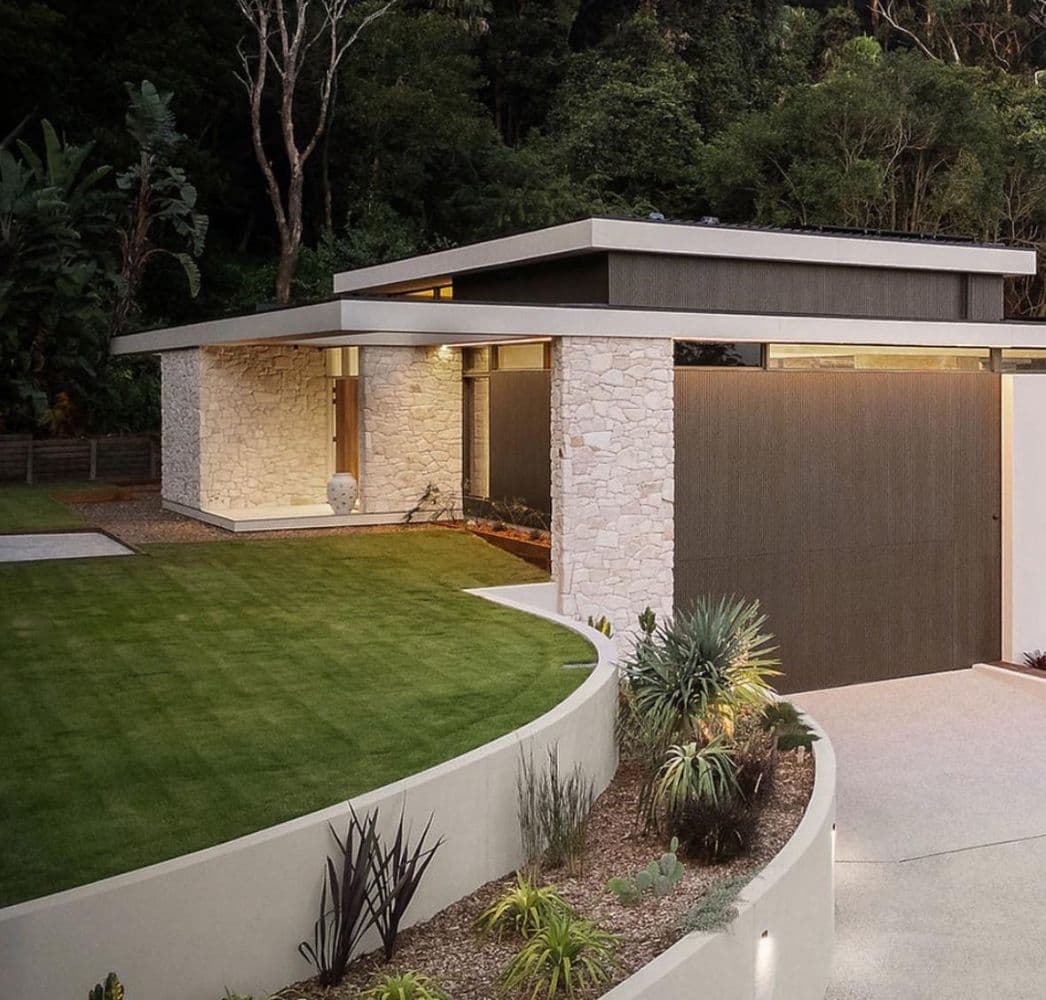
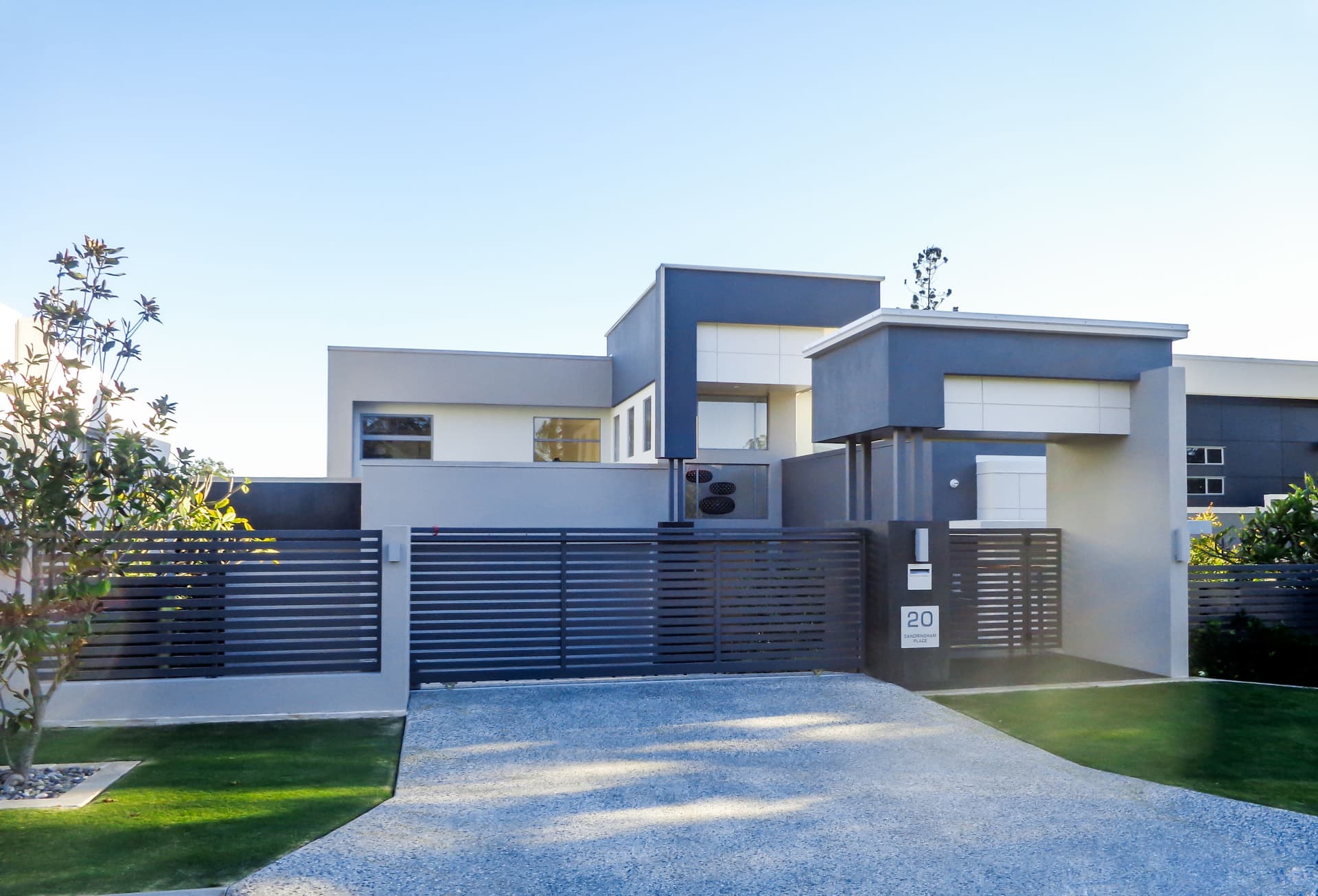
Cement rendering has been a staple of Australian construction for decades, providing a durable and attractive finish for brick, block, and concrete surfaces. This guide walks through how a render goes on, what you get from it, and what actually drives the cost, so you can ask the right questions before you collect quotes.
What Is Cement Render?
Cement render is a mix of sand, cement and lime combined with water and applied to a wall in layers to create a protective, even surface. It is used on external walls and fences, property facades and extensions, feature walls in modern homes, and commercial and industrial buildings.
There are a few common types. Sand and cement is the traditional mix. Bagged render is a pre-mixed formulation, which helps keep quality consistent. Polymer-modified render includes additives for improved flexibility and adhesion. Modern cement renders can also be modified with additives to improve workability, adhesion and crack resistance, and these offer better performance than a traditional sand and cement mix.
The Cement Rendering Process
Site assessment and preparation
Every job starts with a surface inspection and a preparation plan. Cracks, delamination and other structural issues need to be dealt with before any render goes on, or they can show through the new surface. Preparation is crucial: the surface must be clean, free of loose material and properly dampened to ensure good adhesion.
The three coats
Cement render typically goes on in three coats, each with a specific job. The scratch coat is the first layer, scored so that it grips the wall. The levelling coat comes next and builds a flat, true surface. The finish coat is the final layer and sets the texture, with sponge, float and textured finishes all available.
Curing
Proper curing is essential for cement render to achieve its full strength. This typically involves keeping the render damp for several days after application to prevent premature drying and cracking. Weather matters here, because hot or windy conditions can dry a wall too quickly, which is why experienced renderers plan around the forecast.
Colour and painting
Traditional cement render is typically finished with paint once it has cured. If you would rather not rely on paint, pre-coloured render options are available, and cement render can be combined with acrylic colour coats for a coloured finish.
Benefits of Cement Render
A strong, weather-resistant exterior is the main reason people choose cement render. It is also a cost-effective solution, suitable for a wide range of substrates, and it gives a fresh, uniform look that hides imperfections in the wall behind it.
Cement is a non-combustible material, and the finished render can be smooth, textured or patterned and painted in almost any colour. If you are building or renovating in a bushfire-prone area, the requirements for your site are set by your certifier or council, so speak to them as well as your renderer.
The trade-off is rigidity. Traditional cement render does not flex with building movement, so hairline cracking can appear over time, particularly where temperatures swing widely. Polymer-modified mixes help, and acrylic render is the more flexible alternative if movement is a concern.
What Affects the Cost of Cement Rendering?
No two rendering jobs cost the same, which is why we do not publish a per-square-metre figure for cement render. Understanding what moves the price will help you compare quotes properly.
Surface condition is usually the biggest variable. A sound wall needs little more than cleaning, while cracked, delaminating or painted surfaces need repair or bonding work first. Access comes next: a single-storey wall with clear access is quicker to work than a multi-storey facade that needs scaffolding, and the scaffolding itself is a cost. The number of coats, the finish you choose (a simple float versus a heavily textured or patterned finish) and the total area all play a part, as do details such as corners, windows and eaves.
Painting or sealing after the render has cured is a further cost if you are not using a pre-coloured system. Because of all this, the only reliable way to price a job is to look at it. We provide detailed quotes after a free site inspection, and a good quote spells out what is included so you can compare like with like.
Frequently Asked Questions
Is cement render waterproof?
Cement render is water-resistant but not fully waterproof. Where moisture protection matters, a quality sealer or membrane can be applied over the render, which adds protection while keeping the surface breathable.
Can you render over painted brick?
Yes, but preparation is essential. A bonding agent or specialised primer may be needed so the render adheres properly, and we assess the condition of the painted surface before recommending an approach.
How long does cement render take to cure?
Curing is a process rather than a single date. The render is kept damp for several days after application and keeps gaining strength after that. We advise on when it can be painted based on the product and the weather.
How much does cement rendering cost?
It depends on the surface condition, access, number of coats, finish and area, so we quote after seeing the job. A free site inspection lets us give you a figure based on your property.